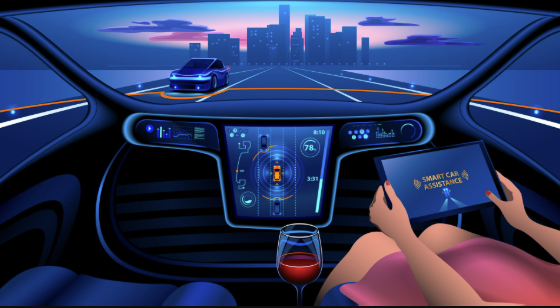
The future of smart transportation hinges on the convergence of autonomous vehicles, artificial intelligence, and electric public transit systems. These innovations promise to reshape urban mobility, enhancing efficiency and sustainability. However, significant challenges remain, including data privacy concerns and the need for robust regulatory frameworks. As cities explore these advancements, the path to a more accessible transportation system becomes increasingly complex. What strategies will emerge to address these pressing issues?
The Role of Autonomous Vehicles in Smart Transportation
As urban populations continue to swell, the integration of autonomous vehicles (AVs) into smart transportation systems emerges as a critical solution to address congestion, safety, and efficiency challenges.
The deployment of AVs necessitates robust safety regulations and an exploration of autonomous ethics, ensuring responsible operation.
Leveraging technology, AVs promise enhanced mobility freedom while minimizing human error and optimizing urban transit dynamics.
How Is AI Revolutionizing Traffic Management?
The integration of artificial intelligence (AI) in traffic management systems is transforming urban mobility by enhancing real-time decision-making and resource allocation.
AI algorithms analyze real-time data to facilitate traffic optimization, leading to significant congestion reduction.
This innovative approach empowers cities to adaptively manage road use, fostering greater freedom of movement while minimizing delays and improving overall transportation efficiency for all users.
Benefits of Electric Public Transit Systems
While cities grapple with the challenges of pollution and traffic congestion, electric public transit systems emerge as a viable solution that offers numerous benefits.
Their sustainability impact significantly reduces greenhouse gas emissions, fostering cleaner urban environments.
Additionally, the cost efficiency of electric fleets lowers operational expenses, enabling reinvestment into infrastructure and community services, ultimately providing greater freedom for citizens to navigate their cities with ease.
See also: selfsilo
Overcoming Challenges in Smart Transportation Implementation
Although the promise of smart transportation systems presents a transformative opportunity for urban mobility, several challenges must be addressed to ensure successful implementation.
Data privacy concerns require robust frameworks to protect user information, while significant infrastructure investment is essential for integrating advanced technologies.
Addressing these issues will empower communities, enhance mobility solutions, and ultimately foster a more liberated and efficient urban environment.
Conclusion
As cities embrace smart transportation, the integration of autonomous vehicles, AI, and electric public transit systems promises profound benefits. For instance, a hypothetical city implementing a fully autonomous bus network could reduce traffic congestion by 30%, significantly improving air quality and enhancing community well-being. However, to realize this potential, stakeholders must navigate challenges like data privacy and regulatory hurdles. By prioritizing ethical frameworks, urban environments can ensure that these technologies serve the needs of all citizens, fostering a more inclusive future.